Loading…

Opinion
Emma Raducanu's latest injury withdrawal is not bad luck - it is a pattern, and the people around her need to stop treating it as anything else.
 AI
AIVIASPORT is dedicated to women's sport, providing comprehensive coverage of the world's biggest competitions. We follow the leading leagues, tours, and tournaments throughout the season with the latest news, fixtures, results, standings, rankings, transfers, and analysis.
Our football coverage includes competitions such as the National Women's Soccer League (NWSL), Women's Super League (WSL), Liga F, Frauen-Bundesliga, Première Ligue, Serie A Femminile, Toppserien, Kvindeliga, and Damallsvenskan. In tennis, we cover the WTA Tour and all four Grand Slam tournaments, while our golf coverage focuses on the LPGA Tour, the Ladies European Tour (LET), and the sport's major championships.
From domestic leagues to the biggest international events, VIASPORT brings together women's football, tennis, and golf in one dedicated destination.
Five years is a long time in tennis. It is long enough to build a career, long enough to lose one, and - in Emma Raducanu's case - long enough for a fairytale to curdle into something considerably more uncomfortable.
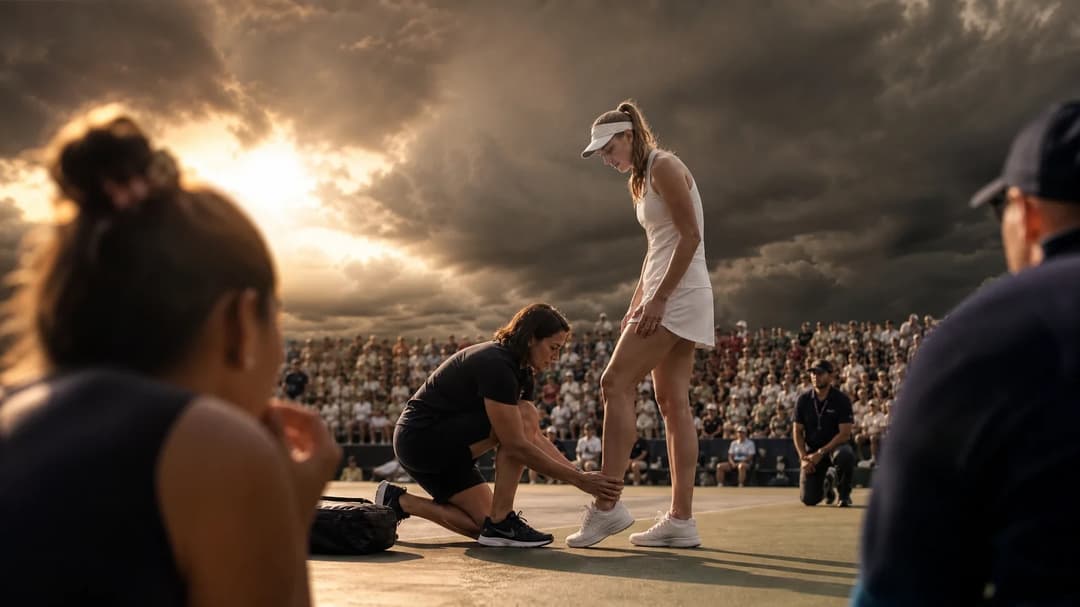
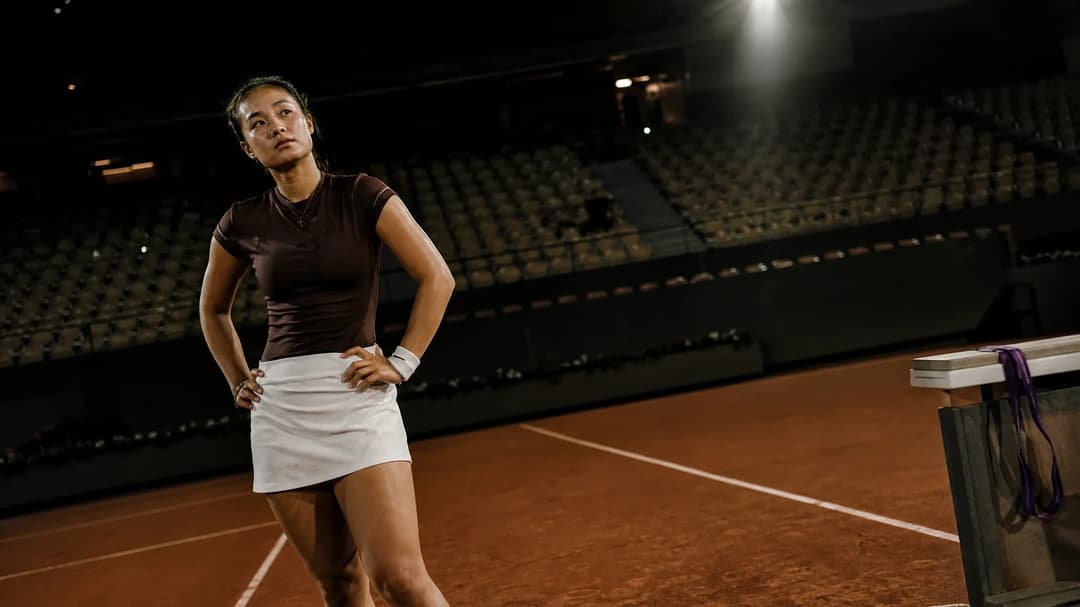
The 2021 US Open champion will not defend a single point at Flushing Meadows this summer. She will not be on a hard court in Cincinnati, or Montreal, or anywhere else on the North American swing. She will be recovering from a stress fracture sustained at Queen's Club back in June - another entry on an injury rap sheet that now reads less like bad luck and more like a structural problem nobody around her is willing to name.
Raducanu has slipped to world No 59. With 130 ranking points from last year's US Open about to fall off, a slide outside the top 100 is not a worst-case scenario - it is the likeliest outcome. That means qualifiers. That means lower-tier events. That means, at 23, a player who should be entering her prime is instead fighting for the kind of access to the tour that teenagers receive on wildcard invitations.
The instinct is to feel sorry for her, and that instinct is not wrong. Stress fractures are painful, debilitating, and largely unpredictable. But sympathy is not the same as analysis, and analysis is what Raducanu's situation demands.
The pattern is the problem. Since that astonishing fortnight in New York, Raducanu's career has been defined not by development but by disruption. Clay wiped out. Grass curtailed. Now hard courts gone too. At some point, the question shifts from "why does she keep getting injured?" to "why does her team keep putting her in positions where injury is inevitable?"
Annabel Croft has urged Raducanu to shut down the remainder of her season entirely. She is right - and the fact that it needs saying publicly tells you something about the quality of strategic thinking behind the scenes. A protected ranking and a proper off-season would allow Raducanu to return in 2027 with her body intact and a genuine run at rebuilding. Limping through an autumn schedule to satisfy commercial obligations - and the UNIQLO sponsorship deal reportedly carries expectations around Asian tournament appearances - would be reckless in the extreme.
The counter-argument writes itself: she is 23, time is on her side, and plenty of players have recovered from worse. That is true. But plenty more have not. The WTA is littered with former prodigies who spent their mid-twenties cycling through rehab programmes, each return a little slower, each ranking a little lower, until the circuit moved on without them.
Raducanu's talent was never in question. What is in question - and has been for some time - is whether the infrastructure around her is built for sustained success or short-term optics. Sponsorship deals and media cycles reward visibility. Recovery rewards patience. Those two things are fundamentally in tension, and right now, there is no evidence that patience is winning.
If Raducanu comes back in January fully fit, with a protected ranking and a coherent schedule, the story can still have a second act. If she rushes back for a sponsor-friendly appearance in Tokyo or Beijing, the ending writes itself.
British tennis has spent five years waiting for Emma Raducanu to fulfil her potential. It might be time to ask whether the people managing her career are waiting too - or whether they are the ones standing in the way.
Written by
Updated
Copyright 2026 VIASPORT
Eva Hernández, Editor-in-Chief
VIASPORT uses AI to generate, enhance, and quality-assure its journalism. While we strive to create engaging and accurate material, imagery, grammar, and spelling may occasionally deviate from conventional standards.