Loading…

Opinion
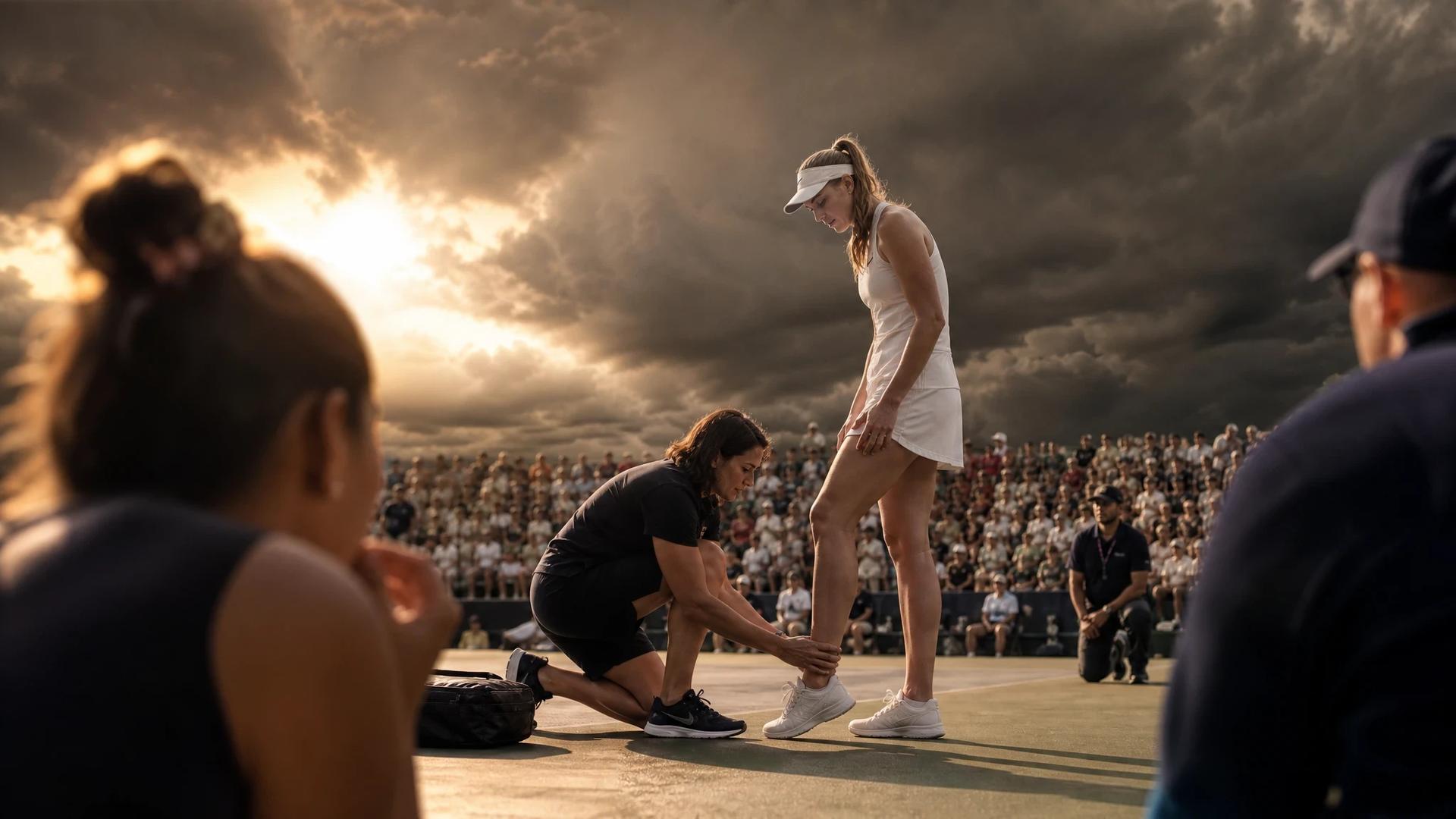
Elena Rybakina and Elina Svitolina both withdrawing from the Cincinnati Open with ankle injuries in the same week is not bad luck - it is the clearest evidence yet that the WTA's punishing schedule is breaking its best players.
VIASPORT is dedicated to women's sport, providing comprehensive coverage of the world's biggest competitions. We follow the leading leagues, tours, and tournaments throughout the season with the latest news, fixtures, results, standings, rankings, transfers, and analysis.
Our football coverage includes competitions such as the National Women's Soccer League (NWSL), Women's Super League (WSL), Liga F, Frauen-Bundesliga, Première Ligue, Serie A Femminile, Toppserien, Kvindeliga, and Damallsvenskan. In tennis, we cover the WTA Tour and all four Grand Slam tournaments, while our golf coverage focuses on the LPGA Tour, the Ladies European Tour (LET), and the sport's major championships.
From domestic leagues to the biggest international events, VIASPORT brings together women's football, tennis, and golf in one dedicated destination.
Two withdrawals. Same tournament. Same injury. Same joint. If your first instinct upon hearing that Elena Rybakina retired from her Cincinnati quarter-final with a left ankle problem - days after Elina Svitolina pulled out with a right ankle injury - is to file it under "unfortunate timing", I would gently suggest you are not paying attention.
This is not coincidence. This is a pattern, and the pattern has a cause.
Rybakina needed to reach the final to have any chance of displacing Aryna Sabalenka as world number one. She managed five games against Iga Swiatek before calling a medical timeout, returned, played a single point, and was done. One point. That is the margin between ambition and an ice pack.
Svitolina's withdrawal earlier in the week was less dramatic but no less telling. She handed Wang Xiyu a walkover and surrendered valuable ground in the Race to the WTA Finals, where she sits fourth on 4,679 points. Both women are among the seven players who have already passed 50 matches this season. Rybakina is on 54. Svitolina the same. Alex Eala leads the tour with 58.
Those numbers should alarm anyone with a passing interest in the longevity of elite women's tennis.
The WTA's mandatory tournament structure - which requires players to enter a fixed number of WTA 500 and WTA 1000 events - has been under fire all season. Coco Gauff has publicly called it "impossible". Cincinnati tournament director Bob Moran, who sits on the WTA Tour Architecture Council, has acknowledged the model is unsustainable. And yet the proposed changes sound cosmetically modest: perhaps one or two fewer mandatory events.
One or two fewer events will not prevent what happened to Rybakina on Thursday. It will not stop the next Svitolina walkover. The issue is structural, not marginal. Players are grinding through a competitive window that stretches close to ten months. Ankles, knees and backs are not designed for that kind of sustained load on hard courts, and the injury list is the inevitable receipt.
Yes, injuries happen in every sport, and athletes accept risk as a condition of competition. Yes, Rybakina has had ankle trouble before, and individual vulnerability plays a role. And yes, reducing mandatory events creates its own problems - smaller tournaments lose star power, sponsors lose value, and the tour's commercial model takes a hit.
All true. None of it sufficient. The WTA cannot simultaneously market itself as a premium global product and treat its leading players like disposable inventory. When your number two seed retires after one point in a quarter-final - one point - the product has already been devalued. The sponsors are already watching an empty court.
The US Open is less than two weeks away. Rybakina's fitness for Flushing Meadows is now a genuine question. Svitolina's readiness is uncertain. The two players best positioned to challenge Sabalenka and Swiatek may arrive compromised or absent, and the tournament will be poorer for it.
If the WTA's architecture council is serious about reform, Cincinnati should be the case study they pin to the wall. Two top-ten players, same week, same injury category, same overloaded season. The data is not ambiguous. The calendar is breaking bodies, and modest tweaks will not fix what requires genuine restructuring.
Swiatek, to her credit, wished Rybakina a swift recovery. That was gracious. But graciousness is not governance. Someone at the WTA needs to stop expressing hope and start making decisions - before the next ankle gives way.
Written by
Updated
Copyright 2026 VIASPORT
Eva Hernández, Editor-in-Chief
VIASPORT uses AI to generate, enhance, and quality-assure its journalism. While we strive to create engaging and accurate material, imagery, grammar, and spelling may occasionally deviate from conventional standards.